

Aaron Plumbing TX Review: The 10 Most Common Plumbing Issues We Solved This Year
Looking back at the plumbing calls we handled this year, a few specific common plumbing issues kept our teams busy from season to season. While every home has its own quirks, most issues stem from predictable wear and tear or simple maintenance gaps.
This summary highlights the ten most frequent common plumbing issues challenges we solved for our clients recently. Understanding these can help you spot trouble early and potentially save money on emergency repairs.
Read: Financing Options for Major Plumbing Projects (Water Heater, Repipe)
1. Persistent Dripping Faucets
A single dripping faucet can waste hundreds of gallons of water over a few months. We usually find that a worn-out washer or a damaged O-ring is the primary culprit. Replacing these small components is a quick fix that immediately lowers your water bill.
2. Slow Draining Sinks
Slow drains are often caused by a buildup of hair, soap scum, and fats. If a plunger does not clear the blockage, the debris is likely further down the pipe. We recommend avoiding chemical cleaners, as they can corrode your metal pipes over time.
Read: Customer Testimonials: Real Plumbing Stories from Kerrville & Boerne
3. Clogged Toilets
Most toilet clogs are straightforward, but some require professional equipment to reach deeper obstructions. We often see issues caused by non-flushable wipes and excessive paper use. If a plunger fails, a closet auger is usually the next step to restore flow.
4. Water Heater Failures
Many homeowners called us this year because they lost hot water or noticed a “rumbling” sound from their tank. This is frequently caused by sediment buildup at the bottom of the heater. Flushing the tank annually can prevent these minerals from damaging the heating elements.
5. Low Water Pressure
If your shower feels more like a trickle, you likely have mineral deposits in the faucet aerator. However, if the pressure is low throughout the entire house, it could signal a leak in the main line. Checking your water meter for unexpected activity is a good way to rule out a hidden pipe break.
Read: Troubleshooting specific symptom, lead to service
6. Leaky Pipes
Leaks often occur at pipe joints due to high water pressure or simple age. We saw several cases this year where hidden leaks behind walls caused significant drywall damage before they were noticed. Keeping an eye out for damp spots or a musty smell can help you catch these early.
7. Running Toilets
A toilet that runs constantly is usually suffering from a faulty flapper valve. This rubber component loses its seal over time, allowing water to leak from the tank into the bowl. Replacing the internal tank hardware is an affordable way to stop the noise and the waste.
8. Sump Pump Issues
During heavy rain cycles, several clients dealt with basement flooding due to sump pump failure. Most of these failures happened because the float switch was stuck or the pump had reached the end of its lifespan. Testing your pump by pouring a bucket of water into the pit is a smart seasonal habit.
9. Sewer Line Backups
Tree roots are a common cause of sewer backups, as they seek out the moisture inside your pipes. If multiple drains in your home are backing up at once, the common plumbing issues is likely in the main sewer line. We use camera inspections to find the exact location of the blockage without digging up the yard.
10. Leaking Hose Bibs
After a cold winter, many homeowners discover that their outdoor faucets are leaking. This often happens because a garden hose was left attached, causing the internal pipe to freeze and crack. Replacing the bib with a frost-free model can prevent this from happening again next year.
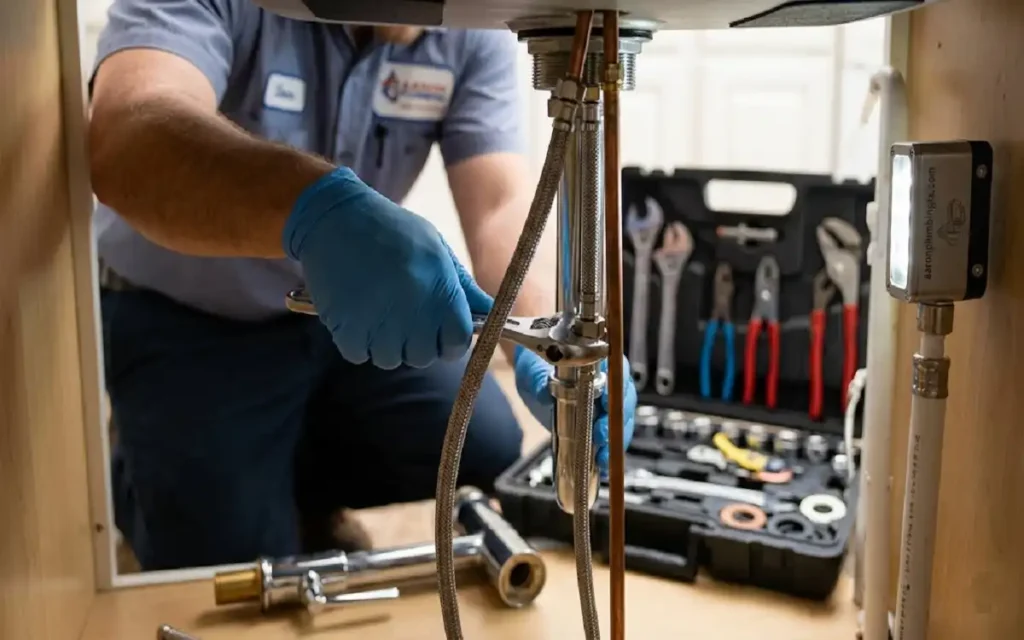
Quick Maintenance Checklist
- Check your water meter once a month to ensure there are no silent leaks.
- Test your sump pump before the rainy season begins.
- Remove garden hoses before the first frost of the year.
- Avoid using drains as trash cans for grease or fibrous food scraps.
Most common plumbing issues / problems start small. If you notice a change in how your fixtures are performing, addressing it now is always easier than dealing with a major leak later.

For More Details Visit Aaron Plumbing TX Contact Page


