

Why Your Outdoor Hose Spigot is Leaking (and How to Fix It)
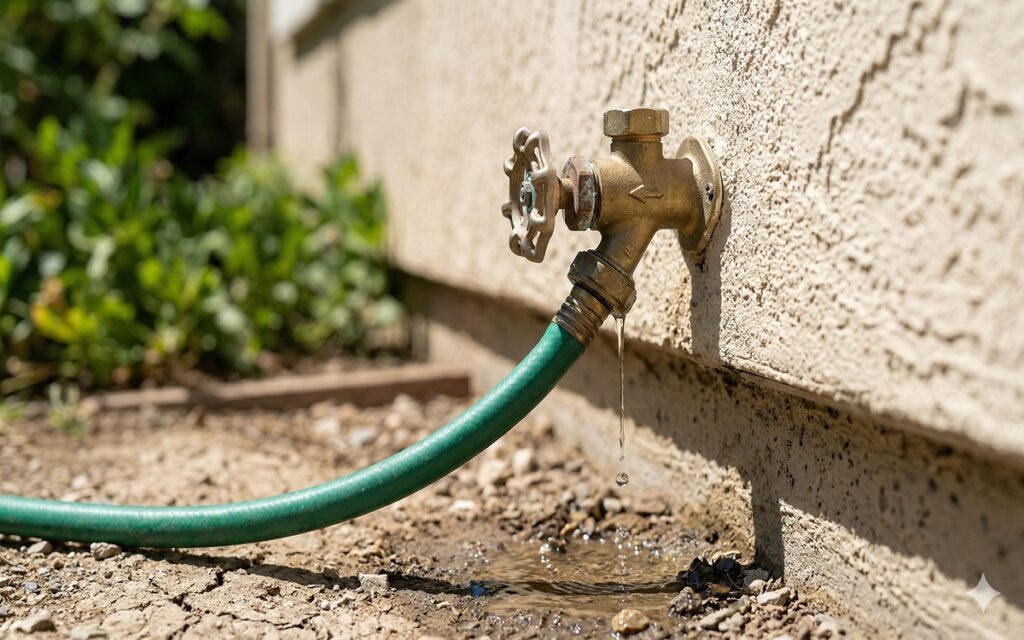
A leaking outdoor Hose Spigot is a common seasonal issue that catches many homeowners off guard. Whether you just turned on the water for spring gardening or noticed a slow drip in the heat of summer, it is an annoying problem. Ignoring it can lead to higher water bills and potential water damage to your foundation.
If you are dealing with a puddle that just will not dry up, you are not right to ignore it. Let’s look at the most common reasons your hose bib is leaking. We will also cover when it might be time to call in a professional plumber.
The Packing Nut is Loose
Sometimes the fix is incredibly simple. The packing nut sits right behind the handle of your Hose Spigot. Over time, turning the water on and off can cause this nut to loosen naturally.
When this happens, water will often leak from behind the handle when the spigot is turned on. You can usually fix this by tightening the nut gently with a wrench. Just be careful not to overtighten and damage the metal threading.
Worn Out Washers
A worn washer is the most frequent culprit for a dripping outdoor faucet. Inside the Hose Spigot assembly, a small rubber washer creates a watertight seal. Constant friction and seasonal temperature changes cause this rubber to harden, crack, or wear down completely.
When the washer fails, water will continue to drip from the spout even after you close the handle tight. Replacing the washer requires turning off your water supply and taking the Hose Spigot apart. It is a quick job if you have the right tools and replacement parts on hand.
Hidden Frost Damage
Winter weather is notoriously hard on outdoor plumbing fixtures. If you forgot to detach your garden hose before the first freeze, water trapped inside the pipe likely expanded into ice. This expansion can cause microscopic cracks or split the pipe entirely inside the wall.
Frost damage often reveals itself in the spring when you turn the water back on for the first time. You might notice low water pressure or water pooling in unexpected places inside your home. Because the broken pipe is often located inside your wall, this issue requires immediate professional attention.
A Damaged Valve Seat
The valve seat is the metal surface that the rubber washer presses against to stop the water flow. If water gets trapped in the mechanism, mineral deposits can build up and corrode the metal seat over time.
Once the seat is pitted or damaged, a new washer will not be able to create a proper seal. The Hose Spigot will continue to leak no matter how tightly you turn the handle. In this case, the entire Hose Spigot assembly usually needs to be replaced.
Next Steps for a Leaky Hose Spigot
Troubleshooting your plumbing can save you a serious headache later in the season. Here is a quick checklist to help you decide your next move:
- Check the handle: See if the leak comes from the spout or drips from behind the handle.
- Tighten the nut: Give the packing nut a small turn with a wrench to see if the leak stops.
- Inspect the wall: Look for water damage on the siding or foundation around the spigot.
- Call a plumber: Reach out to a local professional if you suspect a frozen pipe or internal damage.
Handling minor maintenance early prevents expensive repairs down the road. If tightening a loose nut does not solve the problem, do not hesitate to reach out for professional plumbing services. A licensed plumber can accurately diagnose the issue, replace your hardware safely, and get your yard ready for the season.

For More Details Visit Aaron Plumbing TX Contact Page


