

What Is a Backflow Preventer and Why Does Your Home Need One?
A backflow preventer is a key plumbing device that stops contaminated water from flowing back into your clean water supply. It protects your family’s health and keeps the public water system safe.
How Backflow Happens
Backflow occurs when water reverses direction in your pipes due to pressure changes. This can pull dirty water from sprinklers, boilers, or sewers into your drinking water.
Common causes include a sudden drop in municipal water pressure from a pipe break or high demand elsewhere. Without protection, harmful bacteria or chemicals mix in before you notice.
Types of Backflow Preventers
Different devices suit various home setups. Here are the main ones:
- Check valves: Simple barriers that allow flow one way only, ideal for low-risk areas like hose bibs.
- Double check valve assemblies: Two valves for moderate risks, such as irrigation systems.
- Reduced pressure zone (RPZ) assemblies: High-protection option with a relief valve, used near potential contaminants like wells.
- Atmospheric vacuum breakers: Prevent siphoning in outdoor faucets by letting air in.
Pick the right type based on your home’s water sources. A plumber can assess this accurately.
Why Your Home Needs One
Contaminated water risks illness from pathogens or chemicals. It safeguards not just your taps but the broader water supply.
Local codes often require them for homes with sprinklers, pools, or wells. Regular use prevents fines and ensures safe water pressure.
Signs You Might Need One
Look for odd water taste, color changes, or low pressure. These hint at potential backflow issues.
Homes with gardens, laundry sumps, or secondary pumps face higher risks. Inspect cross-connections where clean and used water meet.
Installation Basics
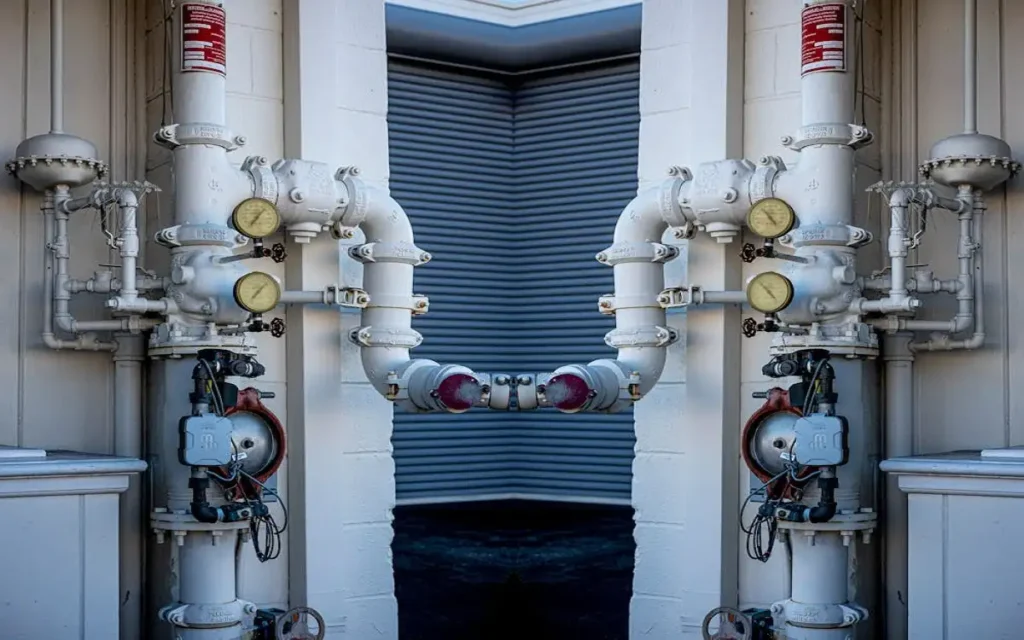
Hire a licensed plumber for proper setup. They size the device and place it at key points like the main line or irrigation start.
Steps include:
- Assess your plumbing for hazards.
- Select and install the device.
- Test it to confirm function.
Costs vary but pay off by avoiding health issues and repairs.
Maintenance Tips
Test annually to meet codes and catch wear. A certified tester checks valves and seals.
Winterize outdoor units by draining them. Fix leaks right away to keep protection strong.
For plumbing services or checks, pros ensure everything runs smoothly.

For More Details Visit Aaron Plumbing TX Contact Page


