

Water Pressure Regulators: Do You Need One?
High water presure feels great in the shower but can quietly damage your home’s plumbing over time. Water presure Regulators, also called a PRV, keeps incoming presure at safe levels, typically 50-60 PSI. Many homes need one if presure exceeds 80 PSI.
Signs You Need a Regulators
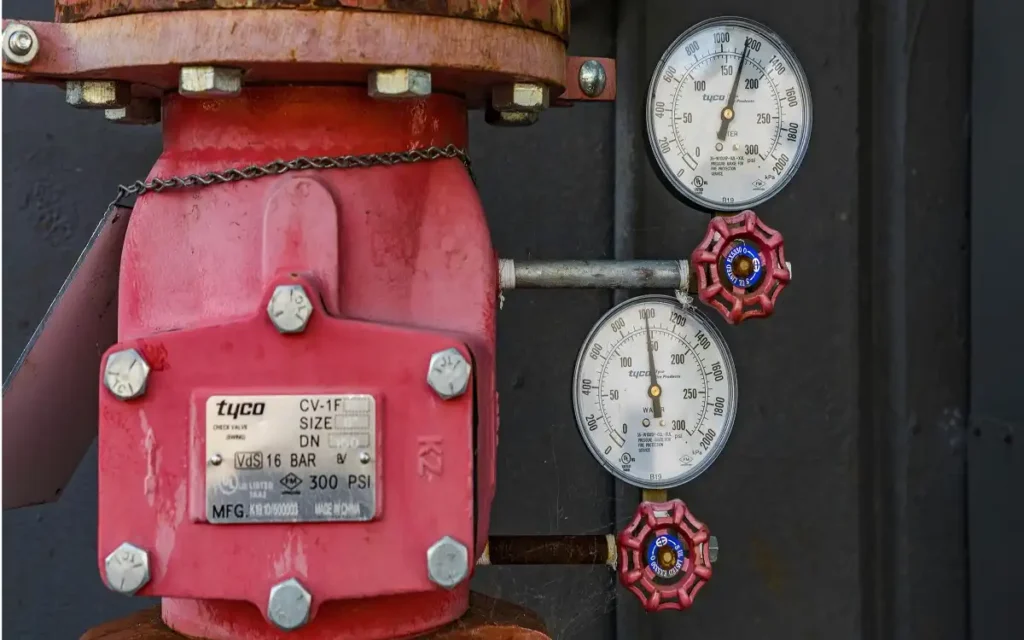
Look for banging noises in pipes, called water hammer, or leaks around faucets and fixtures. Appliances like water heaters or dishwashers fail faster under high presure. Test your presure with a simple gauge from a hardware store, attached to an outdoor spigot.
Why Install One Now?
Exces presure wears out seals, joints, and pipes, leading to costly repairs. It also wastes water through drips and reduces fixture life. Installing a Regulator protects your system and cuts utility bills.
Profesional Diagnosis First
Skip guesing. A plumber measures your presure at multiple points and checks pipe condition. They spot isues like corroded lines that high presure worsens. This ensures the right Regulators size for your home.
Installation Basics
Pros install near your main shut-off valve, where water enters the house.
Here’s what they do:
- Shut off water and drain lines.
- Cut pipe and fit the Regulators with secure connections.
- Set presure, test for leaks, and adjust gauge.
DIY works for handy folks, but mistakes cause floods.
Benefits of Pro Service
Licensed plumbers pick the best model for your setup and provide warranties. They handle codes and test everything. Expect 10-15 years of reliable use.
When to Call for Help
Facing low flow or sudden spikes? Contact a local plumber for a free check. They diagnose fast and quote upfront. Save headaches by letting experts handle it.

For More Details Visit Aaron Plumbing TX Contact Page


