

The Importance of Testing Your Home’s Water Quality
Most people turn on the tap without a second thought. However, clear water is not always safe water. Testing your home water supply is a critical step for your health and the lifespan of your plumbing system.
Even if your water comes from a treated municipal source, it travels through miles of aging pipes before reaching your house. Older plumbing systems and private wells can introduce harmful elements along the way.
Common Signs Your Water Needs Testing
You might already notice signs that your water quality is declining. Pay attention to how your water tastes, smells, and interacts with your home.
- Unusual smells or tastes: A metallic taste or sulfur smell often indicates chemical or bacterial buildup.
- Stains on fixtures: Hard water leaves white scale, while rusty water leaves brown or reddish stains on sinks and bathtubs.
- Frequent plumbing leaks: Highly acidic water can corrode pipes over time and lead to costly water damage inside your walls.
- Skin irritation: Harsh minerals in your water supply can cause dry skin and scalp issues after showering.
Hidden Contaminants in Residential Water
Some severe water issues are completely invisible and tasteless. Heavy metals like lead and copper can leach from old plumbing joints directly into your drinking water.
Coliform bacteria and agricultural nitrates are also common concerns, especially for rural homes using private wells. Routine testing is the only reliable way to detect these invisible threats before they cause health problems.
How to Test Your Water Quality
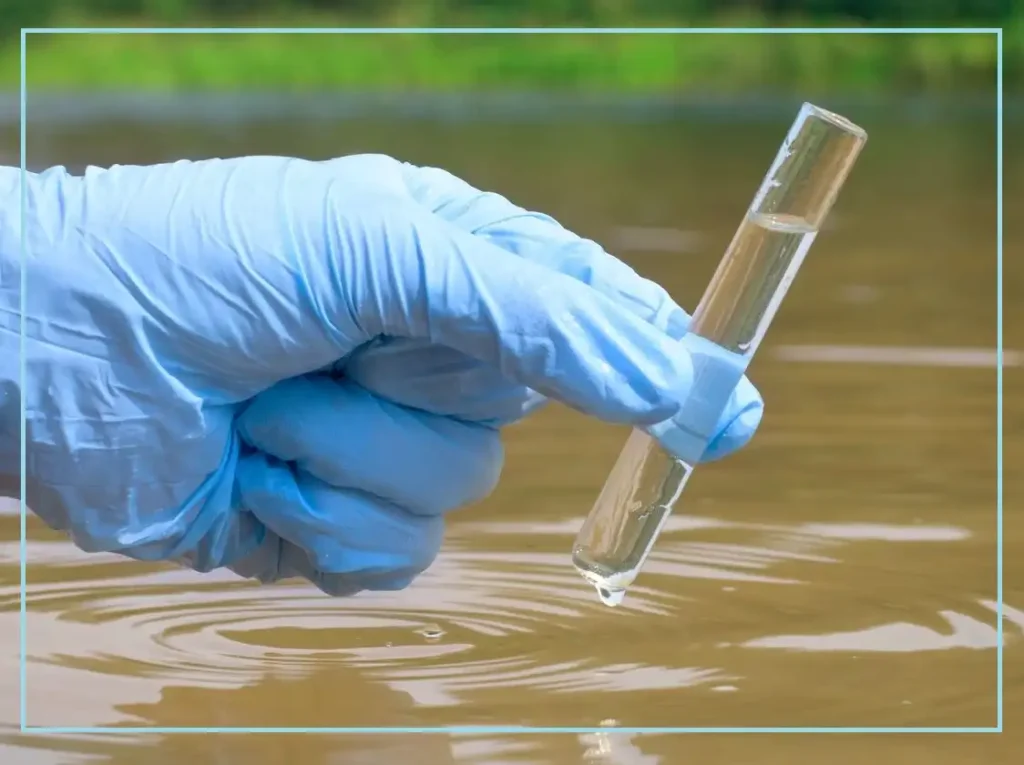
Checking your water is a straightforward process. You have a few options to get accurate results quickly.
- Buy a home testing kit: Hardware stores sell simple test strips that change color based on the presence of different chemicals and pH levels.
- Contact your local health department: Many local governments offer low-cost or free water testing kits for residents to check for basic contaminants.
- Use a certified laboratory: For the most accurate results, you can collect a water sample and send it to a state-certified lab for comprehensive analysis.
Protecting Your Health and Your Plumbing
Knowing exactly what is in your water allows you to take the right action. You might simply need a basic under-sink water filter for drinking water.
In other cases, severe hard water or pipe corrosion might require installing a whole-house water softening system. Addressing these issues early protects your family and extends the life of expensive appliances like your water heater.
If your test reveals high mineral content or your pipes are frequently clogging, reaching out to a qualified plumber is a smart move. They can review your test results and recommend the right filtration or pipe repair options for your specific situation.

For More Details Visit Aaron Plumbing TX Contact Page


