

Landscaping and Your Plumbing: What NOT to Plant Near Pipes
Plant Near Pipes and Your Plumbing: Root Issues
Building a beautiful garden is a rewarding project, but what happens underground is just as important as the view from your window. Many homeowners don’t realize that certain plants and trees have aggressive root systems that can migrate toward sewer lines and water pipes.
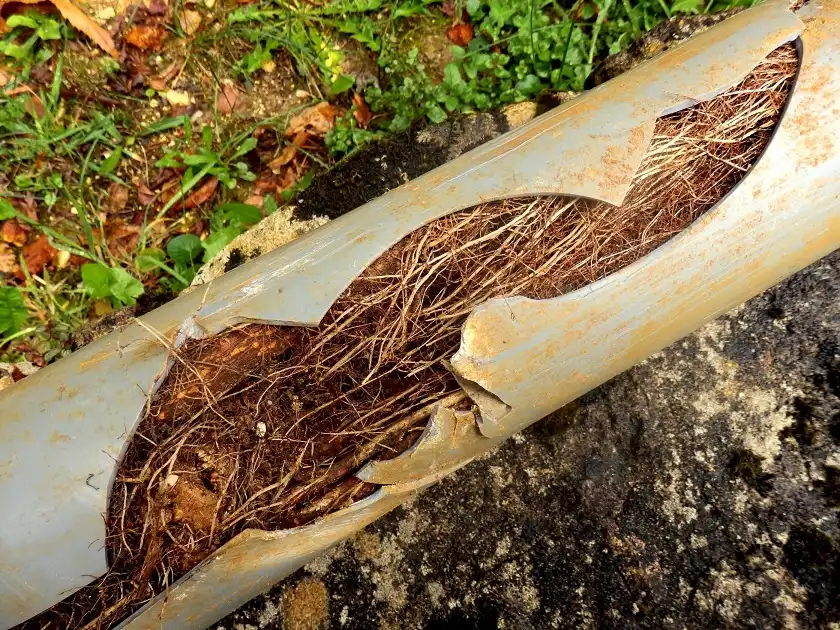
Since Plant Near Pipes roots naturally seek out moisture and nutrients, even a tiny hairline crack in a pipe can attract them. Once they find a way in, they can cause blockages, structural damage, and expensive plumbing emergencies.
The Most Common Root Offenders
Not all trees are created equal when it comes to their impact on your infrastructure. Some species are notorious for having invasive roots that travel long distances to find water.
- Willows: These trees have some of the most aggressive water-seeking roots in the plant kingdom. They should never be planted within 50 feet of any underground utility lines.
- Poplars and Aspens: Known for rapid growth, these trees also have fast-spreading root systems that can easily lift pavement or infiltrate pipes.
- Silver Maples: While they provide great shade, their roots grow shallow and wide. This makes them a major threat to older sewer lines made of clay or concrete.
- American Elms: These are beautiful but possess deep, powerful roots that can exert immense pressure on plumbing joints.
Signs of Root Infiltration
It is often difficult to know there is a problem until a total backup occurs. However, there are a few early warning signs that your landscaping might be interfering with your plumbing.
- Gurgling Noises: If your toilets or drains make a strange “glug” sound after use, it could mean air is trapped by a root obstruction.
- Slow Drainage: Consistent slow drains throughout the entire house, rather than just one sink, often point to a main line issue.
- Localized Wet Spots: If a specific patch of your lawn is much greener or wetter than the rest, a pipe may be leaking due to root damage.
How to Protect Your Property
Prevention is always more affordable than a full sewer line replacement. If you are planning a new landscaping project, a little bit of strategy goes a long way.
Map your utility lines before you head to the nursery. You can usually find these on your property survey or by calling local utility marking services.
Choose slow-growing species for areas near the house. Small ornamental trees or shrubs with taproots are generally safer than those with lateral, spreading root systems.
Install root barriers if you must plant a larger tree. These underground shields are made of plastic or metal and redirect root growth away from your pipes.
If you suspect that roots have already reached your plumbing, it is best to act quickly. Professional plumbers can use specialized cameras to inspect the inside of your pipes and identify the exact location of the intrusion without digging up your entire yard.
Reliable Shrubs for Boundary Planting
Shrubs are excellent for adding color and privacy. The following options have shallow, non-aggressive root systems that generally coexist peacefully with nearby utilities.
- Mogra (Arabian Jasmine): This local favorite is famous for its fragrance and has a very manageable root structure. It thrives in the Ahmedabad heat and requires minimal space.
- Ixora (Flame of the Woods): A hardy, flowering shrub that produces dense clusters of red or orange blooms. Its roots are compact, making it safe for garden borders near the house.
- Hibiscus: These are versatile and can be pruned into hedges. They are heat-tolerant and their roots tend to grow downward rather than spreading wide to seek out pipes.
- Kamini (Orange Jasmine): Often used for privacy screens, this shrub grows densely but does not possess the invasive “searching” roots that cause plumbing blockages.
Small Trees and Palms
If you want height or shade without the risk of a “pipe-buster,” consider these smaller species. They are better suited for urban yards where space and infrastructure are concerns.
- Champa (Frangipani): Known for its beautiful white and yellow flowers, this tree has a surprisingly small root ball relative to its size. It is an ideal “specimen tree” for a patio or near a walkway.
- Areca Palm: This is one of the best choices for screening. Its roots are fibrous and vertical, meaning they don’t exert much lateral pressure on pipes or foundations.
- Lemon or Guava Trees: Most citrus and fruit trees like the Guava have non-invasive roots. They stay relatively small and provide the added benefit of fresh produce for your kitchen.
- Curry Leaf Plant: This is a staple in many Gujarati households. It remains more of a large shrub or very small tree and is completely safe to plant in close proximity to your home.
Practical Landscaping Tips
Even with “safe” plants, the best practice is to maintain a buffer zone of at least 5 to 10 feet from any known main sewer or water lines. This gives the plant enough room to establish itself without the temptation of seeking moisture from a pipe joint.
Using raised planters or large pots is another great way to enjoy more aggressive plants like Bougainvillea. This keeps the root system entirely contained and away from your home’s infrastructure.

For More Details Visit Aaron Plumbing TX Contact Page


