

How to Read Your Water Meter to Detect a Hidden Leak
A sudden spike in your water bill often indicates a hidden leak that is costing you money. Your water meter offers a simple way to check for these issues yourself, empowering you as a homeowner to act fast.
Why Check Your Water Meter?
Water meters track every gallon flowing into your home. Hidden leaks from worn pipes, toilets, or fixtures can waste hundreds of gallons per day without obvious signs such as puddles.
Spotting unusual movement on the meter helps prevent major damage before it occurs. This DIY step saves money and prevents mould or structural issues.
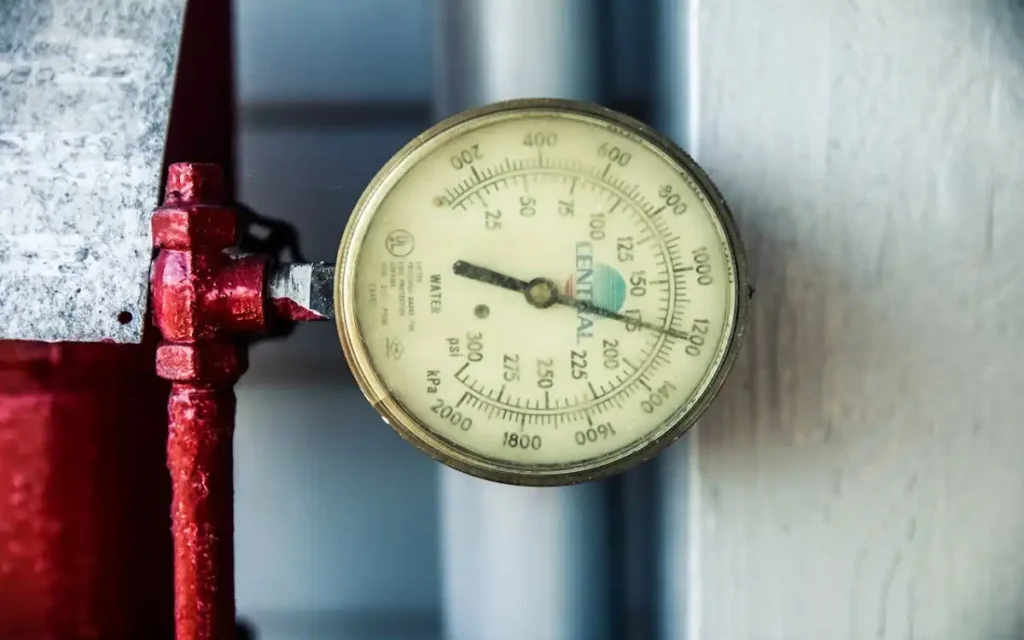
Locate Your Water Meter
Most meters are installed in a ground box near the street or curb, with a lid. Others are inside your basement, garage, or utility room.
Lift the lid carefully with a screwdriver, if needed, to avoid allowing dirt or water inside. Note the model type (e.g., analogue dial or digital display) for the next steps.
Perform the Leak Detection Test
Follow these numbered steps for accurate results.
- Turn off all water use. Shut faucets, sprinklers, washing machines, dishwashers, and toilets. Wait two minutes to let the residual flow stop.
- Check for movement. Look for a small-leak indicator, often a red triangle, spinning dial, or low-flow arrow, on analogue meters. On digital ones, watch for non-zero flow rates.
- Record readings. Note the black or main numbers (total usage) and any flow rate. Return after 1-2 hours with everything still off.
- Compare numbers. If readings increase or the indicator moves, there is a leak somewhere between the meter and your home.
Understand Your Results
No change indicates no leak; it’s after your shut-off valve. Steady movement indicates an issue worth further investigation.
Track over days for slow leaks. High bills paired with movement often trace to underground pipes or slab leaks.
Next Steps if You Find a Leak
Start indoors: Listen for toilet hisses or check under sinks. Dye tests reveal tank flappers failing silently.
DIY has limits. Pros use cameras, pressure gauges, and thermal imaging to detect buried or wall-mounted issues. Call a plumber if the meter confirms a loss to avoid escalation.

For More Details, Visit Aaron Plumbing TX Contact Page


