

Understanding and Solving Low Water Pressure in Your Fredericksburg Home
Low water pressure in your Fredericksburg home is usually a symptom, not the problem itself. Understanding where it starts and how it behaves is the first step toward a real fix, not a temporary workaround.
What “Low Water Pressure” Really Means
Low water pressure means water is reaching your fixtures, but not with enough force to work comfortably for showers, faucets, or appliances. You might notice long shower times, slow-filling toilets, or washing machines that take forever to cycle.
Most homes are happiest in the 45–80 psi range at the main supply. Once pressure drops below about 40 psi, daily tasks start to feel like a struggle. If you are consistently below that, it is time to diagnose the system instead of just “living with it.”
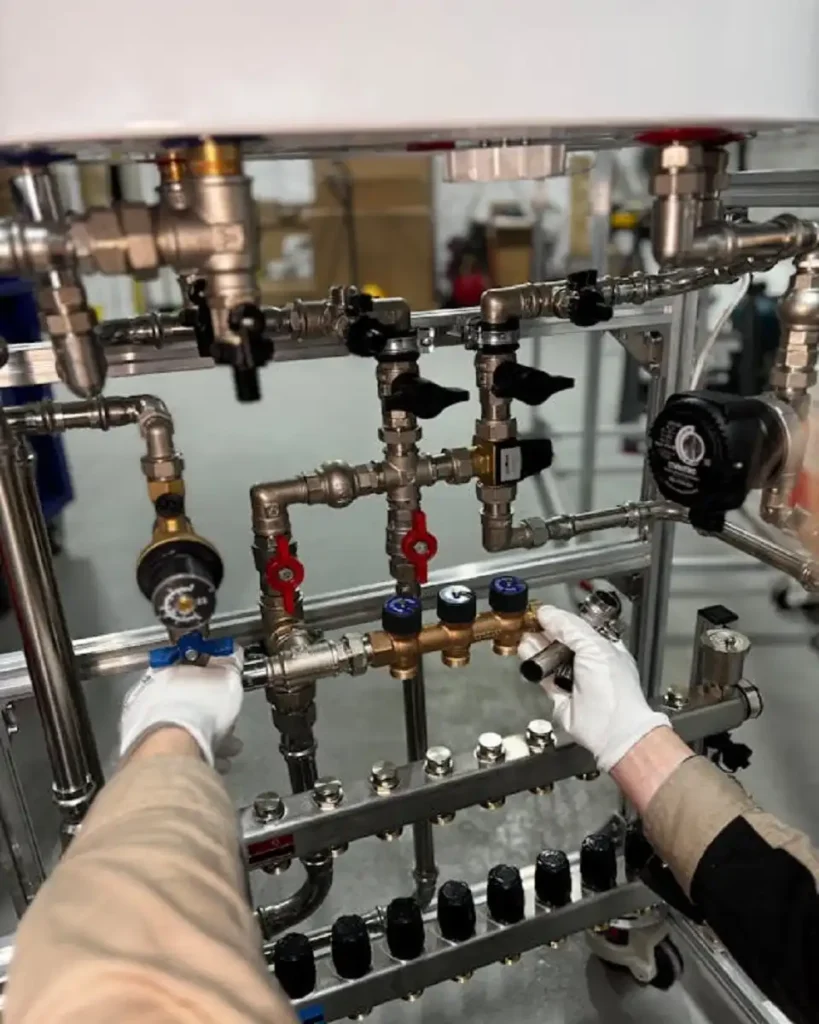
Start With a Quick Diagnosis
Before assuming the worst, take a few minutes to narrow down what kind of problem you have. This helps you explain the issue clearly if you decide to call a plumber.
Use this simple checklist:
- Is it one fixture or the whole house? Test multiple faucets and showers. One slow fixture usually points to a local issue like a clogged aerator; low pressure everywhere suggests a supply or main-line problem.
- Is it just hot water or both hot and cold? If only the hot side is weak, the water heater, mixing valve, or hot-side scale buildup is a likely culprit.
- Does an outdoor hose bib have good pressure? Strong flow outside but weak flow indoors often means interior piping or fixtures are restricted.
- Do neighbors have the same issue? If nearby homes also have low pressure, it could be a temporary municipal supply change or maintenance issue.
These quick tests help separate a simple, fixture-level fix from a deeper system or city-supply problem.
Common Causes Inside Fredericksburg Homes
Most low pressure issues start inside the home’s plumbing, especially in older or hard-water areas like the Texas Hill Country. The most common internal causes include:
- Clogged aerators and showerheads: Mineral deposits and debris build up in screens and spray plates, narrowing the openings and reducing flow.
- A partially closed shutoff valve: After repairs or a previous leak, the main shutoff or individual fixture valves may not have been reopened fully.
- Pipe corrosion and mineral scale: Older galvanized or steel pipes collect rust and scale, which slowly choke the waterway and reduce pressure throughout the home.
- A failing pressure regulator (PRV): If your home has a regulator on the main line, a malfunction can cause sudden high or low pressure swings.
- Hidden leaks: Water escaping from a wall, slab, or yard line reduces the volume and pressure available at your faucets.
Each of these has a different repair path, which is why careful diagnosis matters before replacing parts at random.
How Fredericksburg’s Hard Water Plays a Role
Fredericksburg and much of the Hill Country deal with naturally hard water that is rich in minerals like calcium and magnesium. Over time, this hard water leaves limescale inside fixtures, inside water heaters, and along pipe walls.
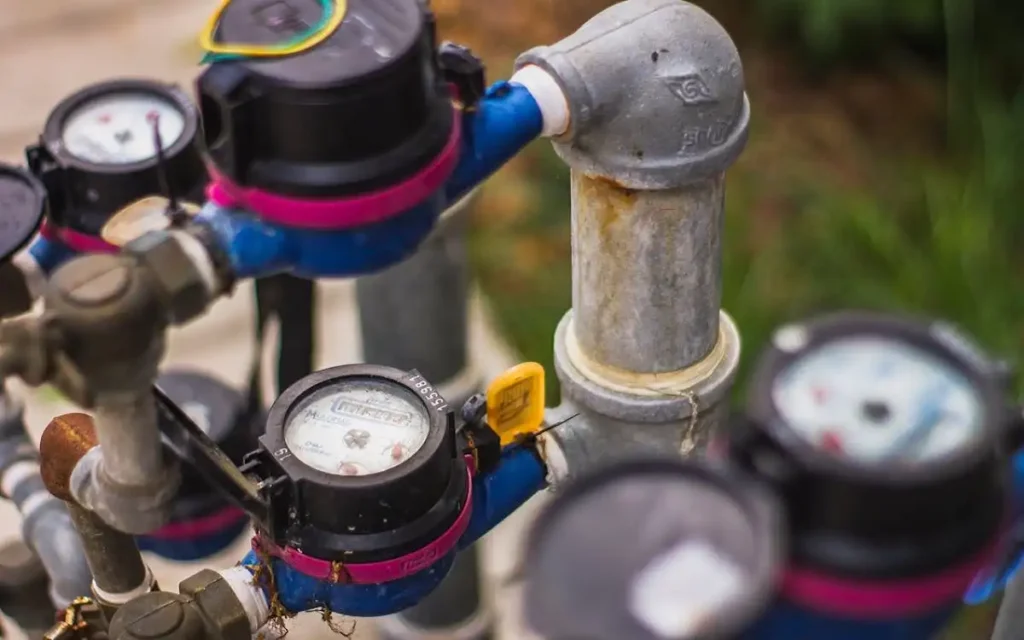
That buildup can:
- Narrow pipe openings and internal passages in valves, lowering effective pressure at fixtures.
- Clog showerheads, faucet aerators, and appliance inlets with chalky deposits.
- Reduce water heater performance as sediment collects at the bottom of the tank or in tankless heat exchangers, limiting hot-water flow.
In Fredericksburg, low pressure at hot fixtures only is often tied to scale inside the water heater or on the hot side of the plumbing system.
Step‑by‑Step: Diagnosing Single‑Fixture Issues
If low pressure is limited to one sink, shower, or tub, you may be able to fix it with some simple steps. These are the low-risk things many homeowners handle themselves.
Try this sequence:
- Clean the aerator or showerhead. Unscrew it, soak in vinegar to dissolve mineral deposits, gently scrub, and reinstall.
- Check the fixture shutoff valves. Look under the sink or behind the toilet to confirm angle stops are fully open.
- Look for kinked or damaged supply hoses. Flexible hoses feeding the faucet or toilet can kink, collapse, or clog over time.
- Inspect the faucet or cartridge. Worn cartridges and internal valves restrict flow; replacing them often restores normal pressure.
If that one fixture is still weak after these steps, there may be a deeper blockage in the branch line that a plumber should inspect.
Step‑by‑Step: Diagnosing Whole‑House Low Pressure
Whole‑home low pressure points to issues with your main supply, valves, or piping, not just one faucet. A structured approach helps avoid guesswork.
Work through these steps:
- Check the main shutoff valve. Find where water enters your home and confirm the valve is fully open; partially open valves are a very common cause of reduced pressure.
- Measure your pressure with a gauge. Screw a gauge onto an outdoor hose bib, test with everything off (static) and again with a couple of fixtures running (dynamic). Healthy systems are usually between about 45 and 80 psi.
- Inspect or test the pressure regulator. If the reading is very low and adjusting the regulator does not help, the regulator may be failing and should be replaced by a professional.
- Check for a whole‑house filter or softener. A clogged filter cartridge or malfunctioning softener can choke the flow; bypassing these temporarily can reveal whether they are the cause.
- Test for leaks at the meter. Shut off all water in the house and see if the water meter is still moving; steady movement usually indicates a hidden leak that needs immediate attention.
If pressure is low at the gauge itself, the issue may be on the city side of the line or in the service line running from the street to your home.
When the Problem Is Outside Your Home
Not every low pressure problem is inside your walls. Sometimes the supply coming into your Fredericksburg home is limited.
Common external causes include:
- Municipal supply work or temporary changes: Utility maintenance, line flushing, or new regulations can lower system pressure for a period.
- A partially closed or damaged street‑side meter valve: This valve belongs to the water provider; if it is not fully open or is failing, it can restrict flow to your entire home.
- A leak in the service line to your house: If the underground line from the meter to your home develops a break, you will see both lower pressure and higher usage.
If your neighbors report the same issue, or a pressure gauge at the hose bib shows consistently low readings with no leaks, your plumber may recommend contacting the city to check their side of the system.
Practical Fixes You Can Try Safely
Some solutions are homeowner‑friendly and low risk, especially if you are comfortable with basic tools. Others are better left to a licensed plumber.
You can usually handle:
- Cleaning faucet aerators and showerheads clogged with mineral deposits.
- Verifying and opening fixture shutoff valves and the main house valve.
- Replacing a clogged whole‑house filter cartridge if your system uses one.
A professional should handle:
- Diagnosing and replacing pressure regulators or main shutoff assemblies.
- Tracing and repairing slab, wall, or yard leaks.
- Flushing or descaling water heaters, especially gas or tankless models affected by Fredericksburg’s hard water.
- Repiping older, corroded galvanized lines that chronically restrict pressure.
This split helps you avoid damaging key components like regulators, gas connections, or buried lines.
Long‑Term Solutions for Fredericksburg Homes
If low pressure keeps returning, the goal is not just to fix today’s symptom but to address the underlying pattern. In the Fredericksburg area, that often means planning for hard water and aging infrastructure.
Long‑term strategies include:
- Installing or maintaining a water softener to reduce scale buildup inside pipes, fixtures, and the water heater.
- Scheduling regular plumbing inspections, especially in older homes or properties with known galvanized piping.
- Flushing the water heater annually to control sediment and preserve both pressure and efficiency.
These steps help stabilize water pressure, extend the life of your plumbing system, and reduce surprise repairs.
When To Call a Local Fredericksburg Plumber
Low water pressure is frustrating, but it is also an early warning that something in your system is not right. Knowing when to bring in a local expert can save both time and money.
Reach out to a Fredericksburg plumbing professional if:
- The whole house has low pressure and your quick checks have not found an obvious cause.
- You see signs of leaks, like damp spots, foundation cracks, or a water bill spike.
- The pressure regulator, main shutoff, or underground lines may be involved.
A local plumber who works regularly in Fredericksburg understands the area’s hard water, typical plumbing layouts, and city supply conditions, which makes diagnosis faster and repairs more precise.

For More Details Visit Aaron Plumbing TX Contact Page


