

The Different Types of Plumbing Pipes (Copper, PEX, PVC)
Understanding Modern Plumbing: A Guide to Pipe Materials
Choosing the right piping is the foundation of a reliable home plumbing pipes system. Whether you are planning a renovation or facing an emergency repair, the material used dictates the longevity and safety of your water supply.
Each material has specific strengths and ideal use cases. Understanding these differences helps you make informed decisions when discussing options with a professional plumber.
1. Copper Piping: The Traditional Standard
Copper has been the gold standard for plumbing pipes for decades. It is highly durable and naturally resistant to bacterial growth, making it an excellent choice for both hot and cold water lines.
- Longevity: These pipes can last up to 50 years or more with proper maintenance.
- Heat Resistance: Copper handles high temperatures without losing structural integrity or leaching chemicals.
- Recyclability: It is an environmentally friendly option as it is 100% recyclable.
While copper is reliable, it is generally more expensive than synthetic alternatives. It also requires soldering during installation, which involves open flames and specialized labor.
2. PEX (Cross-linked Polyethylene): The Modern Favorite
PEX has revolutionized the industry because of its extreme flexibility. It is a plastic tubing that can snake through walls with fewer connections than rigid pipes.
- Freeze Resistance: Because PEX is flexible, it can expand slightly when water freezes inside, reducing the risk of bursting.
- Ease of Installation: It uses simple compression fittings or crimp rings, reducing labor time.
- Cost-Effective: The material is cheaper than copper and requires fewer individual joint pieces.
PEX is strictly for indoor use because UV rays from the sun can break down the plastic over time. It is also not currently recommended for direct connection to high-heat sources, such as water heaters, without a small copper buffer.
3. PVC (Polyvinyl Chloride): The Waste Specialist
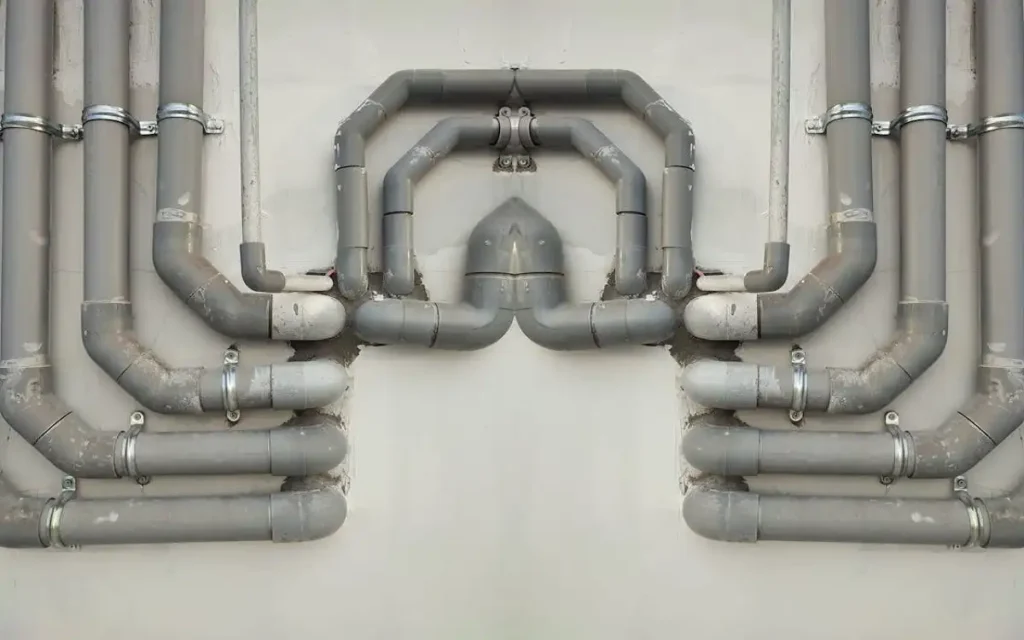
PVC is a rigid plastic pipe most commonly used for “DWV” systems. This stands for Drain, Waste, and Venting.
- Chemical Resistance: It does not corrode or degrade when exposed to household cleaning chemicals or acidic soil.
- High Flow: The smooth interior surface prevents debris buildup and maintains high water pressure for drainage.
- Lightweight: It is easy to handle and cut, keeping installation costs low.
It is important to note that standard white PVC is not rated for hot water. Using it for hot-water supply lines can cause the pipe to warp or fail, which is why it is reserved for drainage and cold-water irrigation.
Comparison at a Glance
| Material | Primary Use | Best Feature |
| Copper | Supply Lines | Durability and heat resistance |
| PEX | Supply Lines | Flexibility and fast installation |
| PVC | Drainage/Waste | Corrosion resistance and low cost |
Making the Right Choice
The best pipe for your home often depends on your local building codes and the specific application. Many modern homes use a hybrid approach, using copper for main lines, PEX for branch lines to fixtures, and PVC for the waste system.
Plumbing Pipes Maintenance Checklist
Regular inspections can prevent minor drips from becoming costly water damage. Different pipe materials show wear in unique ways, so it is helpful to know what to look for during a walkthrough.
Perform these checks every six months to ensure your home’s plumbing pipes remain in peak condition.
1. Visual Inspection for Copper Pipes
Copper is incredibly durable, but it can react to certain water chemistry or environmental factors. Focus your inspection on the joints and exposed sections in the basement or utility closet.
- Check for Green Oxidation: Look for a crusty green substance (verdigris) around joints. This often indicates a slow pinhole leak or failing solder.
- Monitor for Pitting: Feel the pipe’s surface for small indentations or “pits” that can lead to leaks over time.
- Inspect Pipe Hangers: Ensure copper pipes are supported by copper-coated hangers. Mixing metals can cause galvanic corrosion, which weakens the pipe.
2. Safety Checks for PEX Tubing
PEX is low-maintenance, but its flexibility requires proper physical support to prevent stress on the fittings.
- Verify Bend Radii: Ensure the tubing isn’t bent too sharply. High-stress kinks can eventually cause the plastic to fatigue.
- Inspect Crimp Rings: Examine the metal rings connecting the PEX to the fixtures. They should be seated squarely and show no signs of slipping or gaps.
- Check for UV Exposure: Confirm that no PEX lines are exposed to direct sunlight near windows or glass doors, as UV rays make the material brittle.
3. Drainage Integrity for PVC Pipes
Since PVC handles waste and venting, a failure usually results in odors or slow drains rather than high-pressure floods.
- Look for Solvent Streaks: Check the joints for any dried purple or clear streaks. This may indicate the solvent cement is beginning to separate.
- Test for “Bellies”: Ensure horizontal PVC runs are properly sloped and haven’t sagged. Sagging sections, or “bellies,” trap debris and cause frequent clogs.
- Sniff for Sewer Gas: If you smell a “rotten egg” odor near PVC stacks, it could indicate a crack in a vent pipe behind the wall.
4. Universal System Tests
Regardless of the material, these two steps help identify hidden issues that visual inspections might miss.
- Check Water Pressure: Use a simple gauge on an outdoor hose bib. Pressure should stay between 40 and 60 PSI. High pressure stresses all pipe types and shortens their lifespan.
- Monitor the Water Meter: Turn off all faucets and appliances. If the meter dial is still moving, you likely have a hidden leak in your supply lines.
When to Call a Professional
If you notice damp drywall, a sudden drop in water pressure, or visible corrosion on your main shut-off valve, it is time to consult a licensed plumber. They can use specialized tools, such as thermal cameras, to find leaks without cutting into your walls.

For More Details Visit Aaron Plumbing TX Contact Page


