
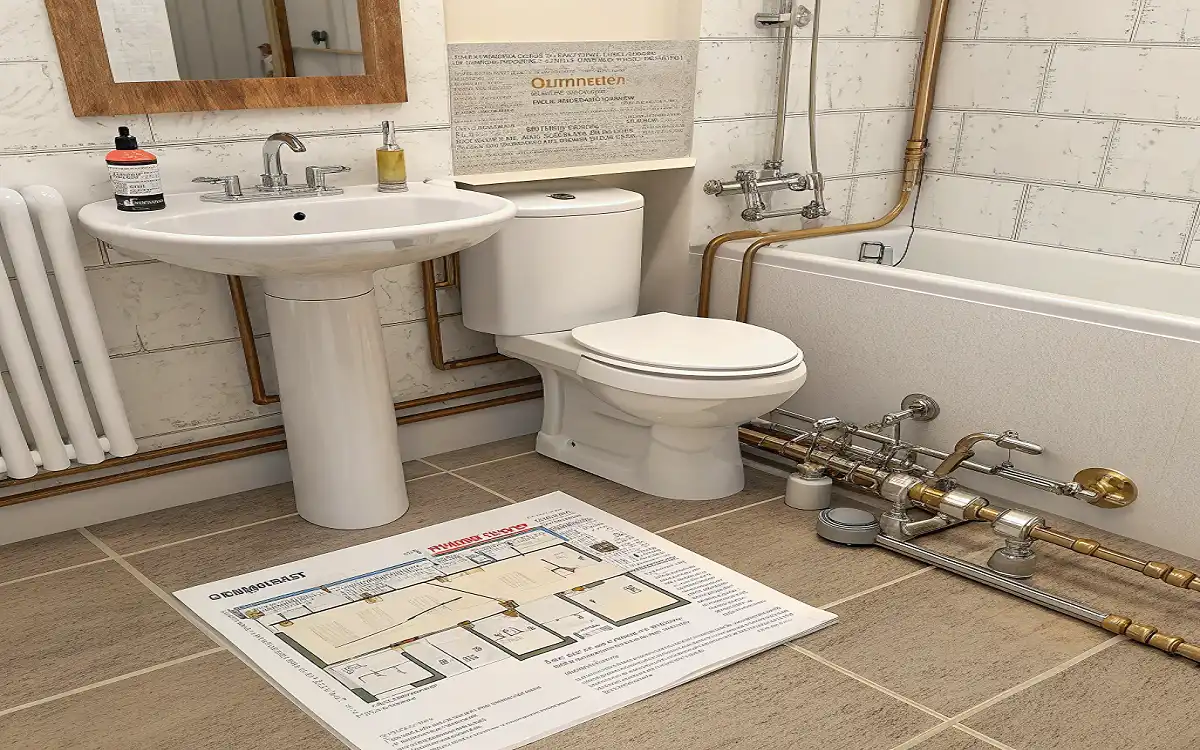
The Life Expectancy of Common Plumbing Fixtures (And When to Upgrade)
Plumbing fixtures last a set time based on use, water quality, and upkeep. Knowing their typical lifespans helps plan replacements to avoid breakdowns and higher costs. This guide covers common ones and signs to watch for.
Faucets and Showerheads
Faucets often run 10 to 20 years before parts wear out. Dripping or stiff handles signal it’s time to check them. Replace if repairs exceed half the cost of a new one.
Showerheads last about 10 years with regular cleaning. Mineral buildup shortens their life, so inspect yearly. Upgrading improves water flow and saves energy.
Toilets and Sinks
Toilets hold up 20 to 50 years if seals stay tight. Listen for constant running or weak flushes as early warnings. A full overhaul beats patching old issues.
Sinks endure 20 to 50 years depending on material. Cracks or stains mean replacement, especially in high-use spots. New models resist chips better.
Water Heaters and Pipes
Tank water heaters serve 8 to 15 years; tankless ones go 15 to 20. Rusty water or odd noises point to the end. Swap them out to prevent floods.
Pipes vary widely: copper lasts 50 to 70 years, PVC 25 to 50. Low pressure or discolored water calls for inspection. Catch corrosion early to save walls.
Signs It’s Time to Upgrade
Look for these red flags across fixtures:
- Leaks that worsen over time
- Frequent clogs or backups
- Strange odors or noises
- Higher water bills from inefficiency
If a fixture nears its average age and shows issues, upgrade. Pros can assess and install efficiently.
Tips for Longer Life
Simple habits extend fixture spans. Clean strainers monthly and test valves yearly. Insulate pipes in cold areas to stop bursts. Regular checks spot trouble first.
For tailored advice, call a local plumber. They spot hidden wear and suggest water-saving upgrades that pay off fast.

For More Details Visit Aaron Plumbing TX Contact Page


