
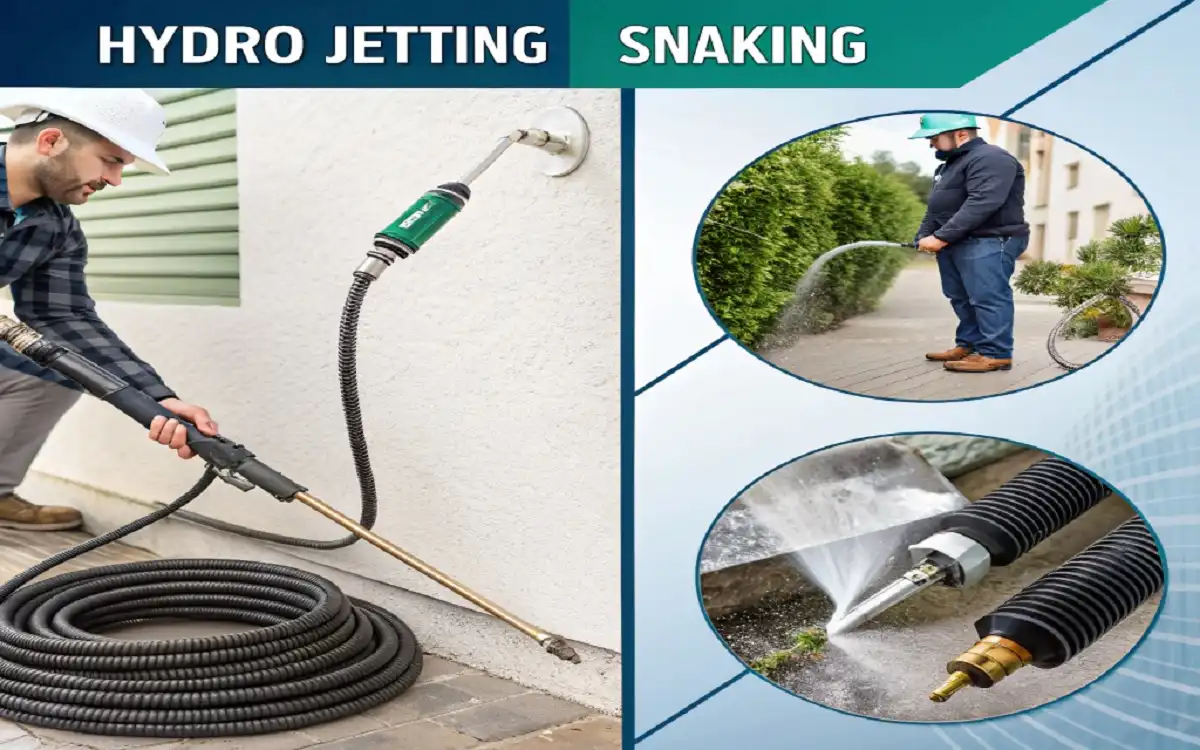
Deep Dive: Hydro Jetting vs. Snaking for Stubborn Clogs
Stubborn clogs can turn a simple drain issue into a plumbing nightmare. Hydro jetting and snaking offer two proven ways to tackle them, but they work differently. Understanding their strengths helps you pick the right fix.
How Snaking Works
Snaking uses a long, flexible cable with a rotating auger head. The plumber feeds it into the drain to break up and pull out blockages like hair or soap scum.
This method shines for clogs near the drain opening. It often costs less and works fast for minor problems.
How Hydro Jetting Works
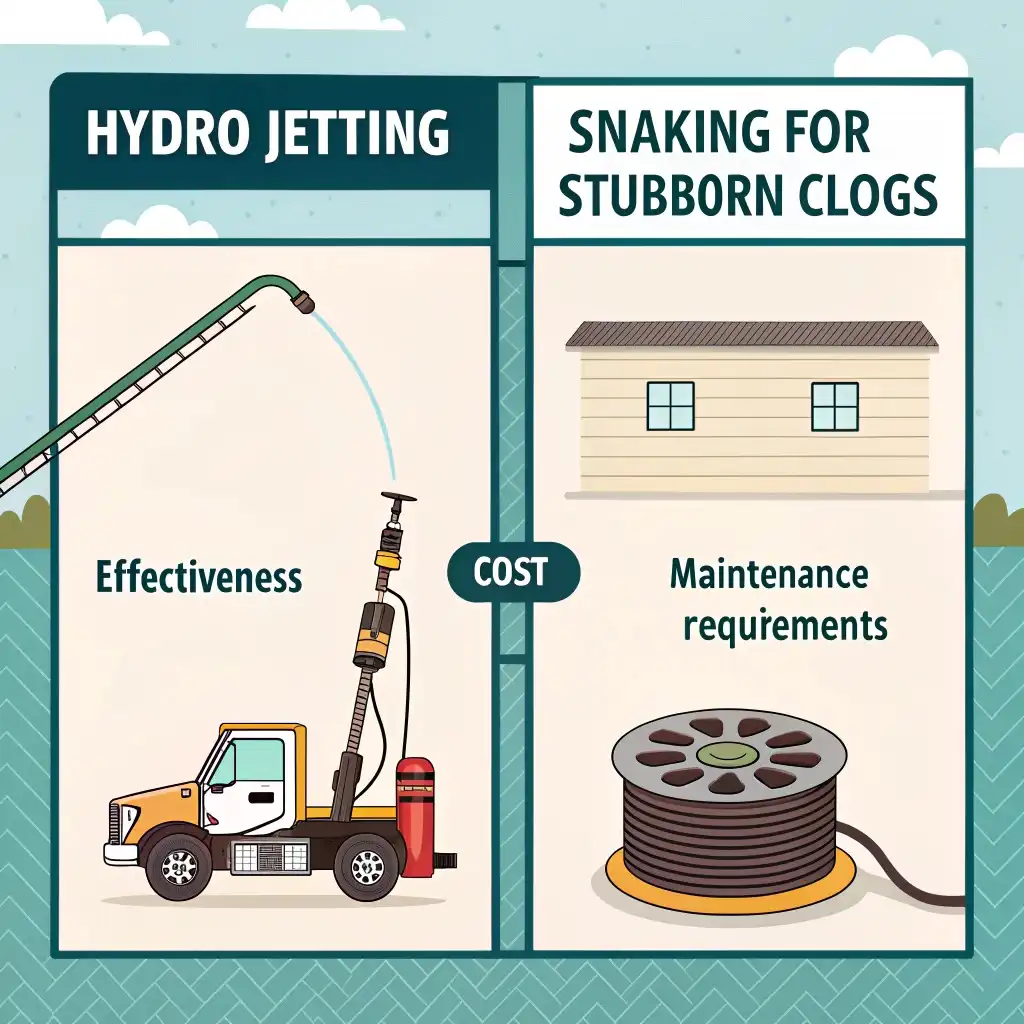
Hydro jetting blasts high-pressure water through a hose and nozzle to scour pipes clean. It cuts through grease, roots, and sediment without leaving residue behind.
The water smooths pipe walls, cutting future clog risks. Pros use it for deep, tough blockages snaking can’t fully clear.
Key Differences Compared
| Aspect | Snaking | Hydro Jetting |
| Best For | Localized clogs like hair | Grease, roots, full pipe buildup |
| Depth Reach | Shorter distances | Entire pipe lengths |
| Cleanup | Breaks clog, may leave debris | Flushes everything out |
| Cost | Lower, quicker job | Higher due to equipment |
| Pipe Impact | Risk of scratches on old pipes | Safe for healthy pipes |
When to Choose Each Method
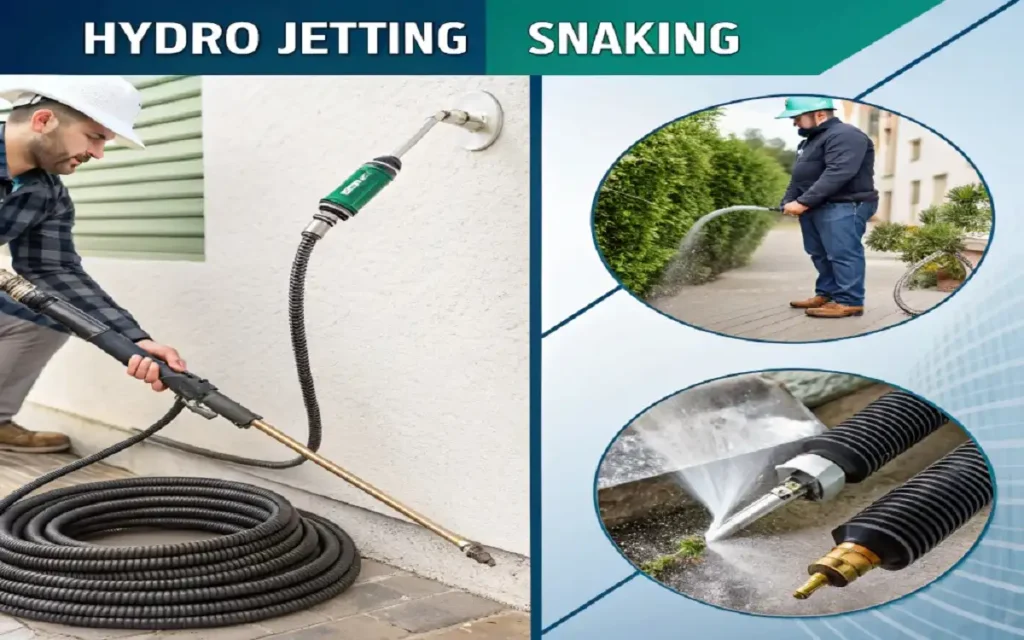
Pick snaking first for simple backups in sinks or tubs. It handles most household issues without overkill.
Go for hydro jetting on recurring or severe clogs. It prevents repeat calls by cleaning the whole system.
Always start with a pro’s camera inspection. This spots pipe damage before high-pressure work.
Why Call a Professional
DIY snaking risks pushing clogs deeper. Hydro jetting needs specialized gear and skill to avoid bursts.
Experts assess your pipes and pick the best tool. They ensure lasting results and spot hidden issues.

For More Details Visit Aaron Plumbing TX Contact Page


