

4 Plumbing Myths That Could Damage Your Hill Country Home
4 plumbing myths can quietly put a Hill Country home at risk, especially with hard water, rocky soil, and long rural water lines. Clearing up these misconceptions helps you protect your pipes, avoid surprise repairs, and know when to call a professional.
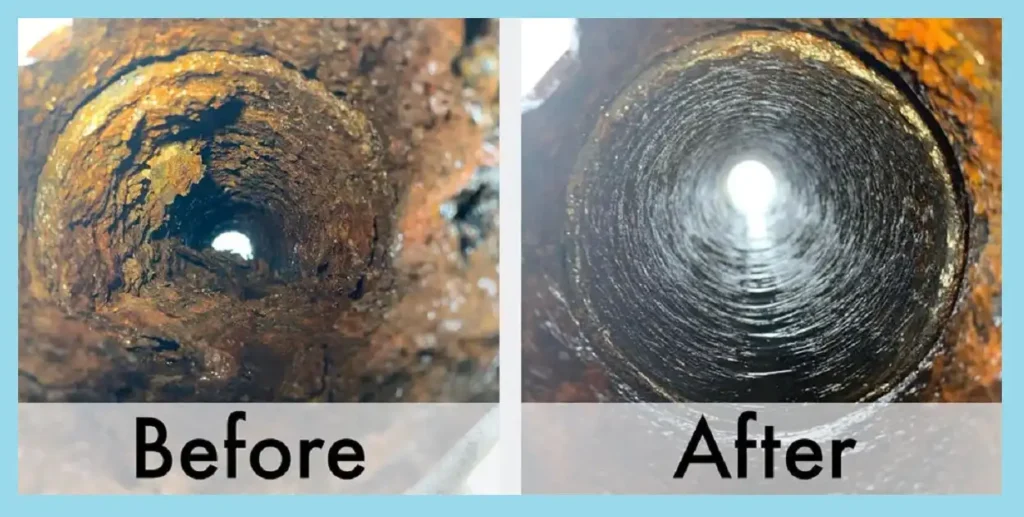
Plumbing Myth 1: “Hard Water Is Just a Cosmetic Problem”
Many Hill Country homes have naturally hard water, which leaves spots on dishes and a film on showers, so it is easy to think it is only a nuisance. In reality, minerals in hard water build up inside pipes, water heaters, and fixtures, leading to restricted flow, pressure issues, leaks, and higher energy bills.
What this does to your home
- Thick limescale inside pipes can increase pressure and stress joints, which raises the chance of leaks or bursts over time.
- Deposits on water heater elements make the unit work harder, shortening its life and making hot water less reliable.
- Faucets, showerheads, and valves wear out faster because of constant mineral abrasion.
Smart steps to take
- Schedule a professional water test if you notice scale, soap not lathering, or low pressure.
- Consider a properly sized water softener or conditioner to reduce mineral buildup and extend the life of your plumbing.
- Flush your water heater on a regular schedule to remove sediment and maintain efficiency.
Plumbing Myth 2: “Chemical Drain Cleaners Are a Quick, Safe Fix”
It is tempting to grab a bottle of chemical cleaner when a sink or tub backs up, but repeated use can quietly weaken your plumbing. These products rely on strong acids or alkalis that create heat and corrosive standing water inside your pipes.
Why is this risky
- Harsh chemicals can eat away at the inner walls of metal and even some plastic pipes, increasing the risk of leaks.
- If the clog is deeper, the cleaner may sit in one spot, causing extra heat and corrosion without fully clearing the blockage.
- Fumes and accidental contact can cause burns, eye injuries, and breathing issues for people and pets.
Better options for Hill Country drains
- Use a plunger or drain snake for small, reachable clogs instead of pouring in chemicals.
- Try enzyme or bacteria-based cleaners for routine maintenance, which are gentler on pipes when used correctly.
- Call a licensed plumber if drains back up often, gurgle, or affect multiple fixtures at once, since that can signal a larger line or septic issue.
Plumbing Myth 3: “A Little Drip or Run Is No Big Deal”
A slow drip at an outside hose bib or a toilet that “occasionally” runs can seem harmless, especially in a busy household. Over time, though, small leaks waste thousands of gallons of water and can signal hidden problems in your plumbing system.
How small leaks cause big issues
- Constant dripping can erode valve seats and washers, turning a cheap fix into a more expensive repair.
- Running toilets and slow leaks increase water bills and can overload septic systems or stress older supply lines.
- Moisture near walls, slabs, or crawl spaces can contribute to mold growth and structural damage if ignored.
Simple habits that help
- Fix dripping faucets and hose bibs promptly or have a pro replace worn cartridges and washers.
- Listen for toilets that refill on their own and replace flappers or fill valves before they fail completely.
- Keep an eye on your monthly water bill; unexpected jumps often point to leaks you cannot see.
Plumbing Myth 4: “Grease and ‘Flushable’ Products Are Safe If They Go Down Once in a While”
Many homeowners trust “flushable” labels or believe hot water will wash kitchen grease safely through the lines. In Hill Country homes, where many properties rely on septic systems or long sewer runs, this myth can lead to stubborn blockages and expensive backups.
What actually happens in your pipes
- Hot water only thins grease for a short time; as it cools, the grease hardens and coats the inside of pipes.
- Wipes, feminine products, paper towels, and other “flushable” items do not break down like toilet paper and can snag on roots, joints, or rough spots.
- Over time, these materials combine with mineral scale and soap scum, creating solid clogs that often require professional equipment to remove.
Safer everyday choices
- Wipe grease from pans with a paper towel and throw it in the trash; collect larger amounts of oil in a sealed container.
- Flush only human waste and toilet paper, even if a product claims to be flushable.
- If you notice frequent slow drains, gurgling, or sewage odors, schedule a professional inspection before a full backup occurs.
When To Call a Hill Country Plumber
Knowing the truth behind these Plumbing myths helps you decide what you can handle yourself and what needs a licensed expert. If you are seeing recurring clogs, low pressure, signs of hard water, or unexplained moisture, a local plumber can inspect your system, suggest practical upgrades, and prevent small issues from becoming major damage.

For More Details, Visit Aaron Plumbing TX Contact Page


